

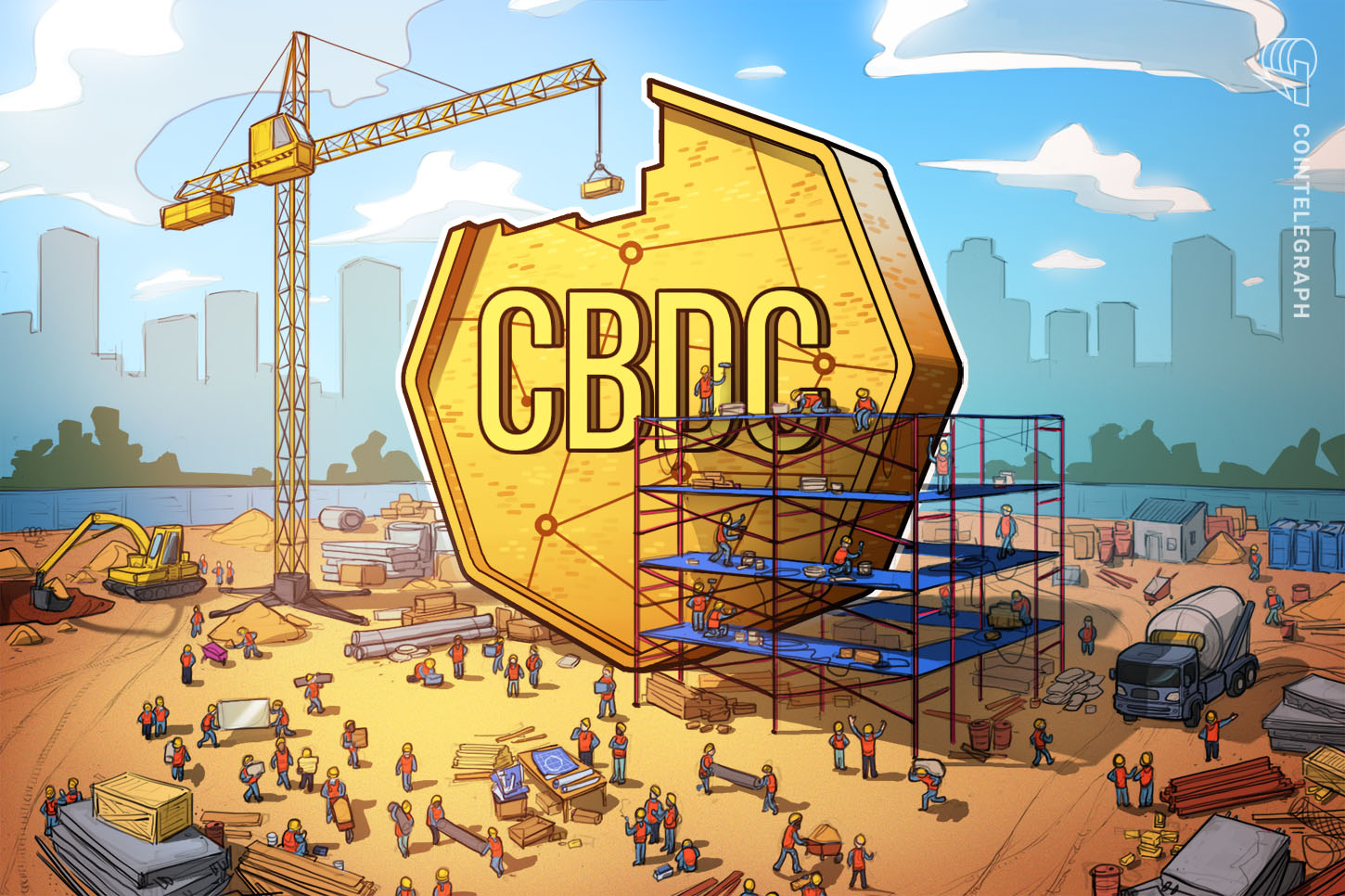
Central bank digital currencies (CBDCs) are digital versions of fiat currencies that are backed and issued by central banks. Here are five ways in which CBDCs could impact the global financial system.
Digitalization of payments
CBDCs might make payments quicker and more efficient because they would do away with the need for intermediaries. Costs could be brought down as a result, along with financial inclusion and an improved global payments system.
CBDCs could also enable cross-border payments to become faster and more efficient, as they would not be subject to the limitations of the traditional financial system. The ease and reduced cost of conducting cross-border commercial transactions could have a big impact on global trade. Additionally, because they would be supported by the central bank and subject to strict security controls, CBDCs could aid in lowering the risks connected with payment systems, such as fraud and cyberattacks.
Reduced use of cash
The use of cash may drop with the introduction of CBDCs as more individuals switch to making digital payments. This might make it simpler for central banks to monitor cash movements and thwart fraud and other criminal activity.
There may be less need for ATMs to disburse cash as more consumers switch to digital payments. This can result in fewer ATMs being used and less money being spent on servicing them. Moreover, CBDCs could enable peer-to-peer payments between people and companies, doing away with the requirement for in-person cash transactions. Without requiring actual cash, this would make it simpler for people to give and receive money.
Increased financial stability
By giving central banks more direct control over the money supply and interest rates, CBDCs may enhance financial stability. Although CBDCs could offer an alternative to conventional bank deposits, they could also aid in lowering the risks related to bank runs.
People may withdraw their money from banks during tough financial times, which could result in a bank run. People would have another option to withdraw their money with CBDCs, lowering the possibility of bank runs.
Related: Wholesale CDBC vs. retail CDBC: Key differences
Since they are supported by central banks and are subject to strict security regulations, CBDCs could increase the robustness of payment networks. This would lessen the likelihood of cyberattacks and assist in preventing payment system failures.
New monetary policy tools
CBDCs might make it possible for central banks to use new tools for monetary policy, as discussed below:
Interest rate management
Central banks could use CBDCs to implement negative interest rates, which means that commercial banks have to pay interest to the central bank for holding their reserves, rather than receiving interest on their reserves. Commercial banks may then charge their clients, including depositors, for this expense.
However, people can avoid paying negative interest rates by holding physical cash outside of the banking system. With traditional cash, it is difficult to impose negative interest rates because people can simply hold physical cash to avoid paying the negative interest. However, with CBDCs, central banks could theoretically charge negative interest rates on deposits, encouraging people to spend rather than save.
Digital wallets with spending limits
CBDCs could enable central banks to implement digital wallets with spending limits. These wallets could be used to provide targeted support to specific sectors of the economy during times of stress, such as a pandemic. For example, the central bank could provide digital wallets with spending limits to households affected by a recession, stimulating spending and boosting the economy.
Real-time data
CBDCs could provide central banks with real-time data on spending patterns, enabling them to make more informed decisions about monetary policy. This could help central banks react more quickly to changes in the economy, reducing the risk of recessions.
Automated policy implementation
CBDCs could make it possible for central banks to autonomously carry out monetary policy. A central bank may, for instance, set a desired inflation rate and then automatically modify the money supply to meet that goal. This would lessen the need for manual monetary policy action.
Impact on the international monetary system
Although countries with stronger CBDCs might have a greater impact on international financial markets, the adoption of central bank digital currencies could potentially result in changes to the international monetary system. Moreover, CBDCs might contribute to lessening the United States dollar’s hegemony in global trade and finance.
Related: CBDC regulation in Asia–Pacific: A beginner’s guide
The Sand Dollar, a digital counterpart of the Bahamian dollar that is issued by the central bank and guaranteed by the government, is one instance of a CBDC in implementation. Due to the lack of access to conventional banking services in the Bahamas, the Sand Dollar is intended to encourage financial inclusion in that nation. Additionally, it aims to increase the effectiveness of payments while lowering the cost of delivering financial services.
Given that the Sand Dollar is a relatively new currency, it is yet uncertain how it will affect the global monetary system. It might, however, face competition from other digital currencies, such as Bitcoin (BTC) and Ether (ETH).


