

A short squeeze can turn a quiet market into chaos within hours. Prices surge, liquidations spike, and traders scramble to react. If you don’t understand why it happens, it’s easy to confuse a squeeze with genuine demand and make poor trading decisions. This guide breaks down how short squeezes work, what triggers them, and how you can reduce the risk of getting caught on the wrong side of one.
What Is a Short Squeeze in Crypto?
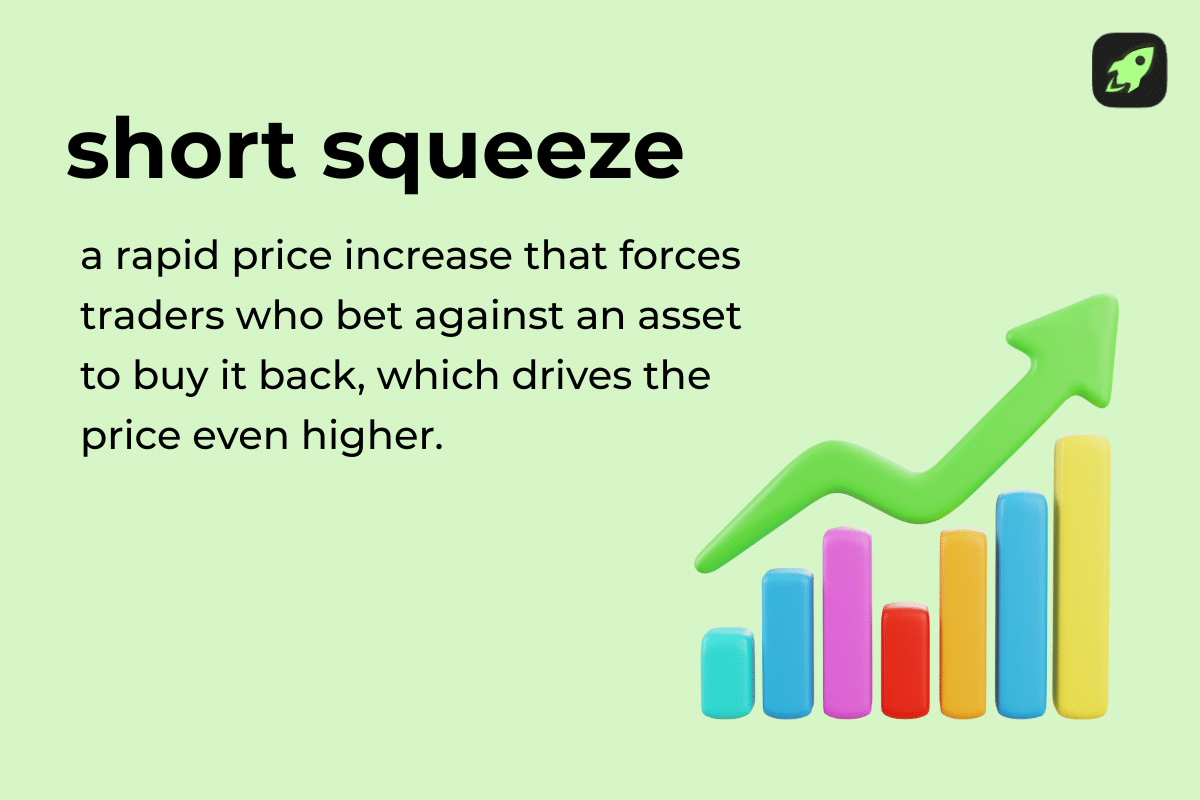
A short squeeze in crypto is a market event that happens when an asset’s price rises quickly and forces short sellers to buy back positions at higher prices. This creates more buying pressure, which pushes the price up even further and forms a rapid feedback loop. As a result, the squeeze forces traders to cover short positions on the open market, often leading to sharp, short-lived price movements and potential losses.
How a Short Squeeze Differs from Normal Price Increases
A normal price increase happens when more buyers enter the market because of positive news, stronger demand, or improving fundamentals. A short squeeze, on the other hand, comes from forcing short sellers to buy, which adds sudden buying pressure and overpricing unrelated to long-term value. That’s why price moves during a squeeze are often faster, more extreme, and short-lived compared to typical market-driven gains.
Short Squeeze vs. Gamma Squeeze
A short squeeze and a gamma squeeze both push prices up fast, but they start for different reasons.
A short squeeze happens when short sellers are forced to buy back an asset as prices rise, often in a hard-to-borrow stock with high short interest. Meanwhile, a gamma squeeze is driven by the options market. When traders buy many call options, market makers hedge by buying the underlying asset, which adds buying pressure. Put options play the opposite role. In markets with high derivatives activity and strong funding-rate signals, gamma squeezes can amplify moves even without heavy short selling.
How Short Selling Works: The Foundation You Need to Understand
Short selling means traders borrow an asset, sell it at the current market price, and aim to buy it back later at a lower price. Short sellers operate under volatile circumstances. If the asset’s price declines, they profit from the difference after returning the borrowed shares or tokens to the lender. But if the price rises instead, their losses grow quickly, which creates the risk that leads to a short squeeze.
Learn more: Long vs. Short Positions in Crypto
How Does a Short Squeeze Happen?
A short squeeze follows a clear sequence driven by positioning, leverage, and forced buying. Each stage builds on the previous one, which is why squeezes can escalate so quickly in the cryptocurrency market.
Stage 1: High Short Interest Builds Up
A squeeze risk starts when many traders open short positions on the same asset. High short interest or a rising short interest ratio signals that a heavily shorted asset could face pressure if price action turns. At this point, positions remain open and stable as long as the price holds or declines.
Stage 2: A Catalyst Triggers Price Movement
A catalyst breaks that balance. This can be positive news, a sudden surge in demand, or large buy orders entering the open market. As the asset’s price begins to rise, early shorts start to feel pressure.
Stage 3: Margin Calls Force Short Sellers to Act
As price rises, losses on sold short positions increase. With high leverage, exchanges issue margin calls, forcing traders to add collateral or close positions. Many short sellers choose to exit, even at a loss, to limit risk.
Stage 4: Short Covering Creates Buying Pressure
When traders cover their positions, they must buy the asset at the current market price. This creates more buying pressure, which pushes prices even higher. Each forced buy order adds fuel to the squeeze.
Stage 5: The Feedback Loop Accelerates Prices
Rising prices force even more traders to cover. This feedback loop pulls in momentum traders and long positions, accelerating price movement further. As a result, price rises faster than normal market behavior would suggest. This is called a positive feedback loop.
Stage 6: Peak and Collapse: When the Squeeze Ends
A squeeze ends when most shorts have closed positions and buying pressure has faded. At this point, demand drops, sellers return, and the price often declines sharply. These moves are usually short-lived, leaving late buyers exposed to rapid losses.

How to Get Free Crypto
Simple tricks to build a profitable portfolio at zero cost

What Causes a Short Squeeze? Key Conditions and Triggers
A short squeeze doesn’t happen randomly. It usually forms when several conditions align and amplify buying pressure in a short time window.
- High Short Interest: The Primary Fuel
Squeeze risk increases when a large share of an asset is sold short. High short interest means many traders must eventually buy back, which creates vulnerability if the price rises instead of falling. - Low Float and Limited Liquidity
Assets with a small available supply and low average daily trading volume move faster. When fewer tokens trade on the open market, even modest buy orders can push the price up sharply. - Positive Catalysts: News, Earnings, and Announcements
Unexpected positive news can reverse market sentiment quickly. As price rises, short sellers face losses and may rush to cover positions, adding more buying pressure. - Social Media Coordination and Retail Investor Activity
Social media can accelerate squeezes by spreading attention and urgency. Coordinated buying by retail investors increases demand and can force short sellers to act faster than planned.
Risks and Dangers of Trading in Short Squeezes
Trading during short squeezes is not always recommended due to market volatility. Here’s a list of specific risks that you should consider.
- Extreme Price Volatility
Short squeezes can push prices up sharply in a single day, followed by sudden collapses once buying pressure disappears. - Timing Risk for Late Buyers
Traders who enter near the peak of the squeeze often face rapid losses when the price reverses and sellers return. - High Leverage Exposure
Using leverage increases potential losses. Small price moves against you can trigger forced liquidations. - Forced Liquidations and Slippage
Thin liquidity during a squeeze can cause orders to execute at worse prices than expected, increasing losses. - Emotional Trading Pressure
Fast price action fuels fear and urgency, which often leads to poor decision-making and weak risk control.
Should You Trade During a Short Squeeze?
Trading during a short squeeze carries high risk and demands strict discipline. Prices can move fast in both directions, which means mistakes with timing can lead to rapid losses. That’s why you should rely on your own research, clear risk limits, and a plan—never on hype or FOMO.
How to Spot a Potential Squeeze
You can sometimes identify squeeze risk before price action explodes by watching positioning and market data closely. Here’s the key point: squeezes start with building pressure, not with price spikes.
- Rising Short Interest
A high or increasing short interest ratio signals that many traders expect a decline. If price moves up instead, those short positions become fuel for a squeeze. - High Open Interest With Flat Price
When open interest grows but price stays stable, traders stack positions on both sides. This imbalance increases the chance of forced moves. - Low Liquidity and Thin Order Books
Assets with low daily trading volume react faster to buy orders, especially since market makers take a step back during stress. Limited liquidity makes sudden price moves more likely. - Funding Rates and Derivatives Signals
Extremely negative funding rates often show crowded short positioning. That can indicate rising squeeze risk. - Unexpected Catalysts
Positive news or sharp shifts in sentiment can flip price direction quickly and force traders to cover.
Real-Life Examples of Crypto Short Squeezes
Short squeezes have occurred in the cryptocurrency market when rising prices forced short sellers to cover positions quickly, creating rapid price surges.
One recent example happened in early January 2026, when data showed around $415 million in forced liquidations over a 24-hour period as Bitcoin’s price climbed sharply and many short positions were squeezed. This event reflects how rising prices and leveraged positions can combine to create explosive moves in the crypto market.
On January 3, 2026, global crypto futures markets saw a cascade of liquidations totaling approximately $250 million, with a large share coming from short positions being closed at elevated prices. This highlighted how crowded derivatives positions can trigger short-squeeze dynamics across multiple major assets like Bitcoin and Ethereum.
Earlier in 2025, analysts also pointed to historical short squeeze activity in Bitcoin, where rapid gains over a few days forced sellers to cover and pushed price action significantly higher.
These examples show how short squeezes in crypto markets can arise from a combination of high leverage, rising price moves, and forced covering by traders, often resulting in abrupt and intense price action.
How to Avoid Getting Caught Up in a Short Squeeze
You reduce squeeze risk by focusing on data and discipline, not fast price moves. Here’s the key point: most losses happen when traders react too late.
Start with your own research. Check the underlying asset, recent news, and market context before you trade. Then monitor short interest, open interest, and funding rates, since crowded positions increase the chances of forced moves. At the same time, watch average daily trading volume and liquidity, because thin markets amplify price swings. Finally, limit leverage and avoid chasing sharp rises—short squeezes are often short-lived, and late entries carry the highest risk.
Final Thoughts
Short squeezes thrive on positioning, leverage, and forced behavior—not long-term value. They can create explosive price moves, but they also expose traders to rapid reversals and significant losses. That’s why discipline matters more than speed.
If you focus on data, manage risk, and rely on your own research, you stay in control. In crypto markets, avoiding unnecessary trades often protects your capital better than chasing every move.
FAQ
Can Bitcoin be short squeezed?
Yes. Bitcoin can experience short squeezes when many traders hold short positions and the price rises quickly. High leverage and crowded derivatives markets make forced buying more likely during sudden price moves.
How long do short squeezes last?
Most short squeezes are short-lived. They can last minutes, hours, or a few days, depending on how quickly short sellers cover positions and buying pressure fades.
What happens to short sellers after a squeeze?
Short sellers who cannot exit in time face forced liquidations or close positions at a loss. Those using high leverage often experience the largest losses.
Can exchanges prevent short squeezes?
No. Exchanges can manage risk through margin rules and liquidation systems, but they cannot stop squeezes caused by market behavior and trader positioning.
What is a liquidation cascade in crypto?
A liquidation cascade happens when rising prices trigger forced liquidations of leveraged positions. Each liquidation adds more buying pressure, which pushes prices higher and accelerates the squeeze.
Disclaimer: Please note that the contents of this article are not financial or investing advice. The information provided in this article is the author’s opinion only and should not be considered as offering trading or investing recommendations. We do not make any warranties about the completeness, reliability and accuracy of this information. The cryptocurrency market suffers from high volatility and occasional arbitrary movements. Any investor, trader, or regular crypto users should research multiple viewpoints and be familiar with all local regulations before committing to an investment.


