


Why the appearance of perpetual contracts in Defi?

When DeFi first appeared, the focus was on attracting users and strengthening the industry’s position. This has been made possible by high-risk, high-return investment products. As a result, the industry became unfriendly to regular investors looking for steady income growth. However, with the development of DeFi 2.0, the industry and all its players are now finding ways to attract casual investors. Low-risk investment products like index funds are popping up in DeFi.
This change is necessary because the average investor is the majority, and by serving them, the DeFi industry can dream of becoming mainstream. The tried and tested low-risk financial products from TradFi are offered in a DeFi style that can cater to investors with different risk appetites. Furthermore, investors who want to explore the DeFi space but need help with its risky nature will have an easier path to DeFi.
Perpetual Contracts in DeFi (Decentralized Finance) refer to perpetual contracts, a type of derivative financial instrument that exposes users to price movements of an underlying asset without owning the property itself. These perpetual contracts are widely used in DeFi platforms, allowing users to trade various assets, including cryptocurrencies, commodities, and more, with leverage.
How does perpetual contract work in Defi?
Perpetual contracts are created as smart contracts on the blockchain platform. Smart contracts define specifications, such as underlying assets, contract size, leverage ratio, funding rate calculation, etc. To understand how a perpetual contract works, we need to understand the critical components of a perpetual contract.
Leverage trading
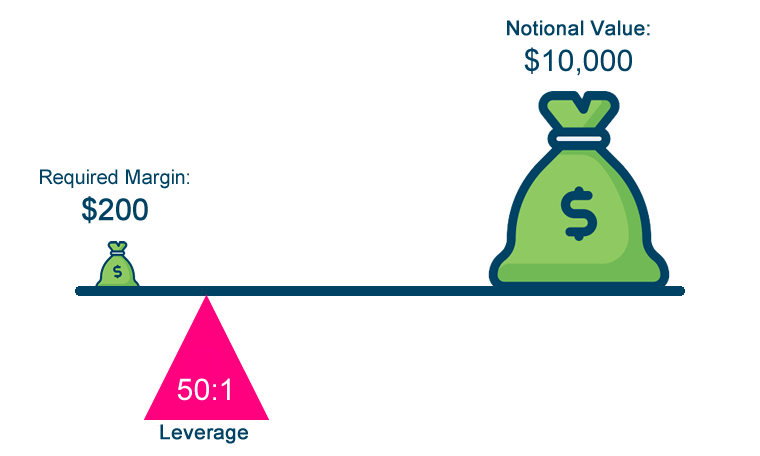
Perpetual contracts allow traders to hold leveraged positions, meaning they can control a more prominent position than their initial collateral. For example, if a trader has 1 ETH and chooses 10x leverage, they can control a position worth 10 ETH in the contract.
One of the benefits of perpetual contracts is the ability to trade with high leverage, meaning that traders can hold a large position with limited capital, thereby improving capital efficiency. This can be appealing to traders looking to maximize their potential profits, but it should be remembered that this also increases the level of risk involved. Traders need to determine that the higher the leverage, the greater the possibility of liquidation.
Initial Margin and Maintenance Margin
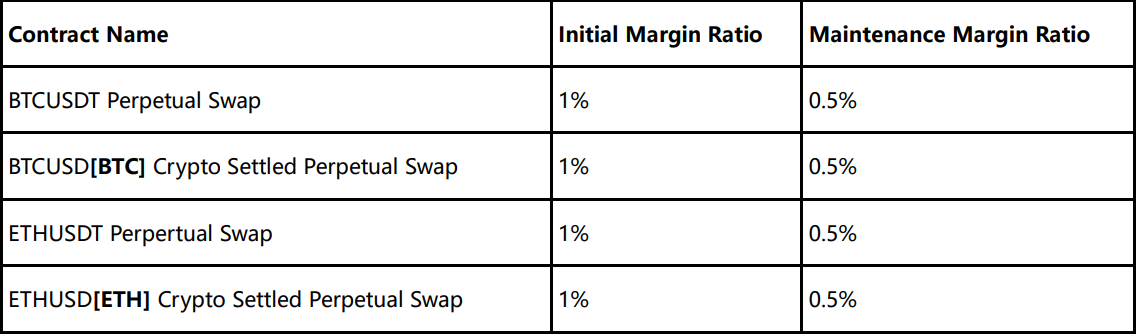
When a trader enters a position, they need to make an initial deposit to open a contract. The initial margin ensures the trader has enough collateral to cover the possible losses on the position. There is also a maintenance margin, which is the minimum margin required to keep the position open. If the value of the position falls below the maintenance margin, the trader needs to add more collateral. Otherwise, the position may be liquidated.
Funding rate
With a predetermined expiration date, it is easier for traders to predict the settlement price and funding cost of a perpetual contract trade. Thus, a funding rate is introduced.
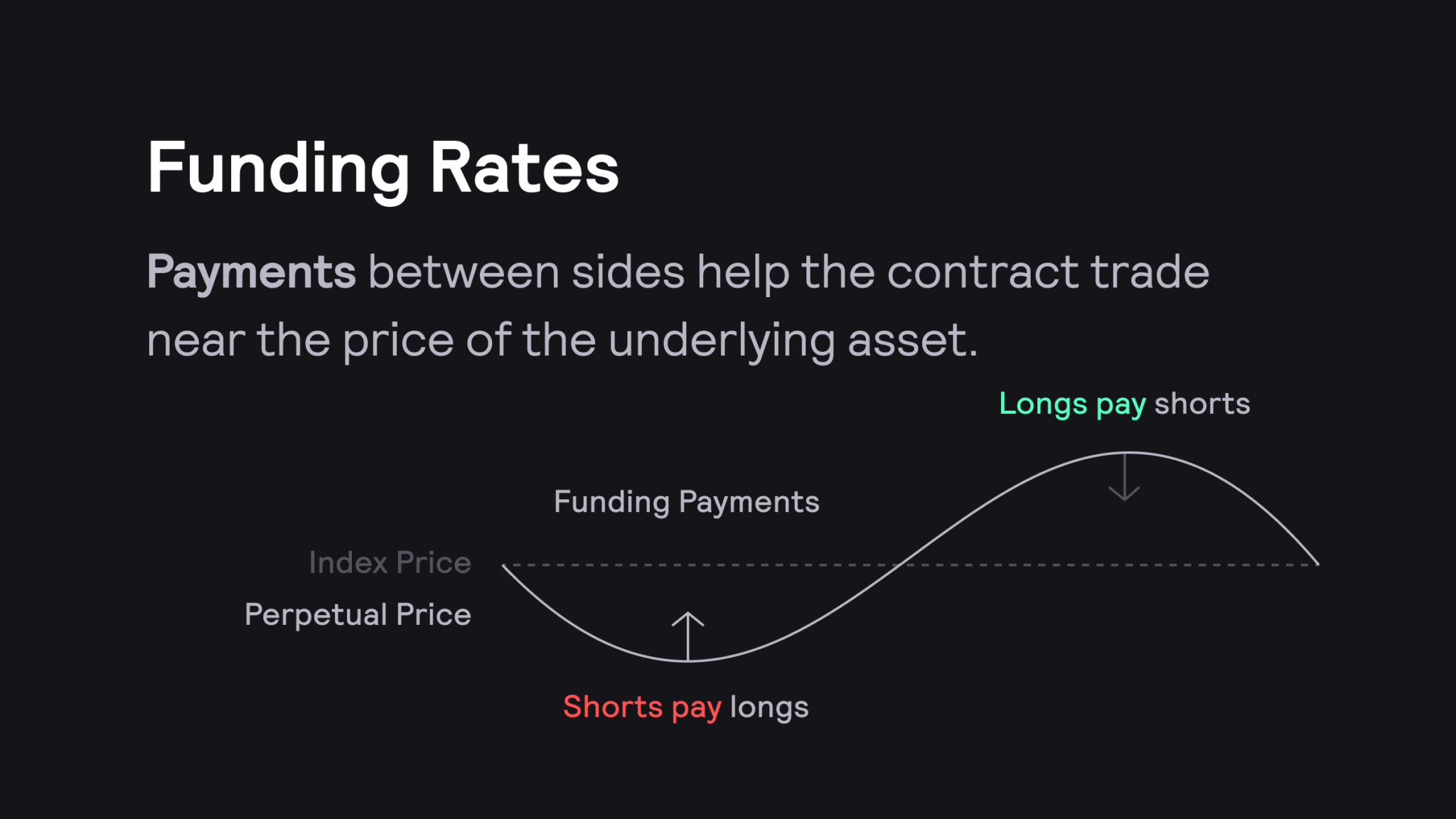
In perpetual contracts, the funding rate is used to keep the contract’s price in line with the underlying asset’s price. Funding rates are typically exchanged between traders buying (buying) and selling (selling) at fixed intervals, usually every few seconds. The funding rate is determined by comparing the contract’s price to the underlying asset’s spot price.
When the contract price is trading at a premium (higher) than the spot price, the buying traders pay the selling traders. Conversely, when the price of the contract is trading at a discount (lower) than the spot price, the short traders pay the funding to the buying traders. The goal is to incentivize traders to keep the contract price close to the underlying asset’s price.
PnL
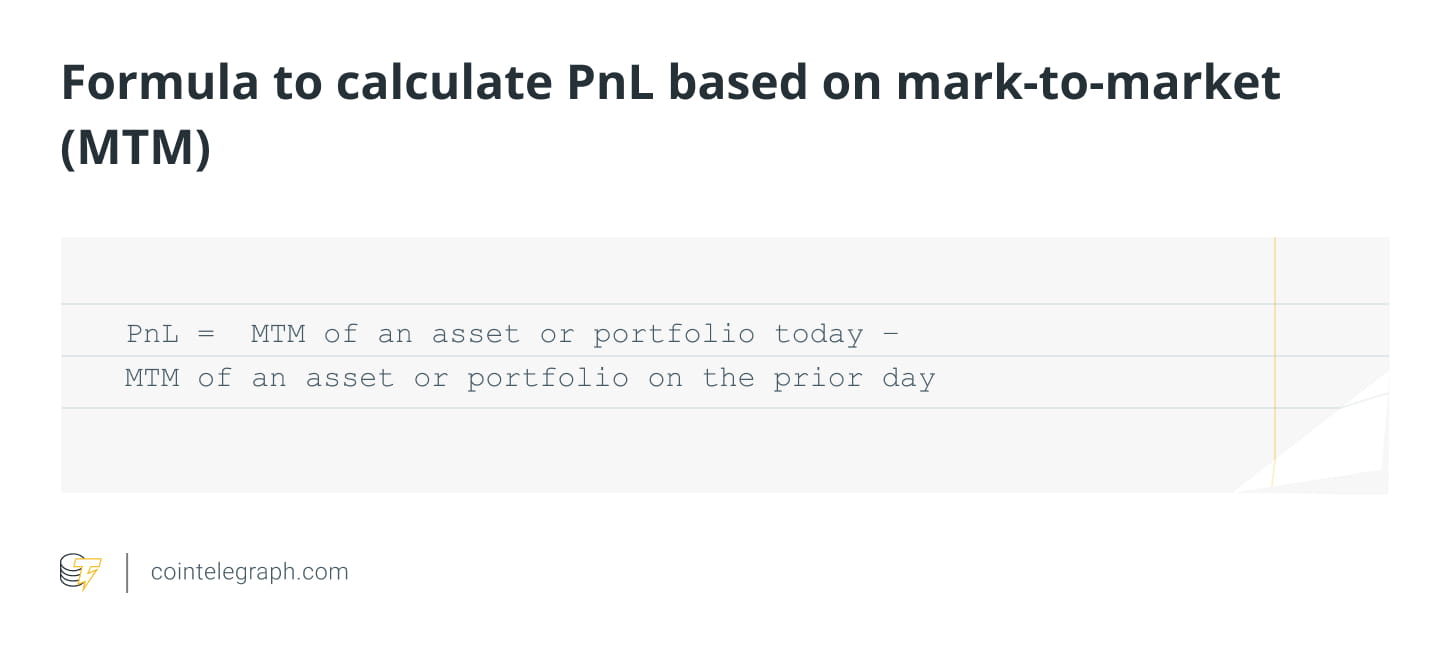
PnL stands for profit and loss, and it can be realized or unrealized. When you have open positions in the perpetual futures market, your PnL is unrecorded, which means it still changes in response to market moves. When you close your positions, the unrealized PnL becomes the exercised (partially or fully) PnL.
Because the actual PnL refers to the profit or loss derived from closed positions, it has no direct relationship to the reference price but only to the execution price of the orders. On the other hand, unrealized PnL constantly changes and is the main driver leading to liquidation. Therefore, the reference price ensures that the unrealized PnL calculation is accurate and fair.
Mark price
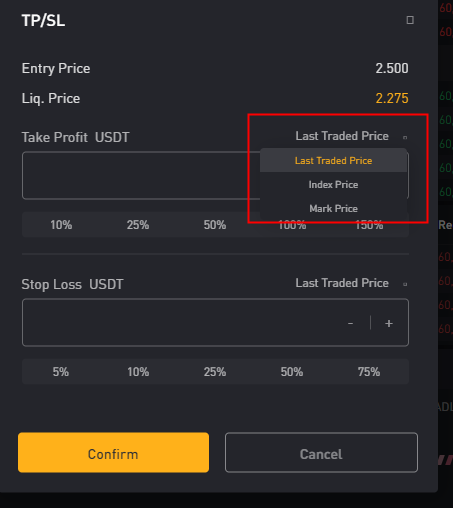
The mark price is an estimate of the true value of a contract (fair price) when compared to its actual trading price (last price). The mark price calculation prevents unfair liquidations when the market is highly volatile. So while the Index Price is related to the price of spot markets, the mark price represents the fair value of a perpetual futures contract. Typically, the mark price is based on the Index Price and the funding rate – and is also an essential part of the “unrealized PnL” calculation.
Liquidation
If the value of your collateral falls below the maintenance margin, your future account may be liquidated. Depending on the exchange you use, liquidations happen in different ways. Generally, liquidation prices vary according to each user’s risk and leverage (based on their collateral and net risk). The larger the total position, the higher the required margin.
To avoid liquidation, you can close your positions before the liquidation price is reached or add funds to your collateral balance – causing the liquidation price to move further from the current market price.
Automated Market Maker (AMM) System
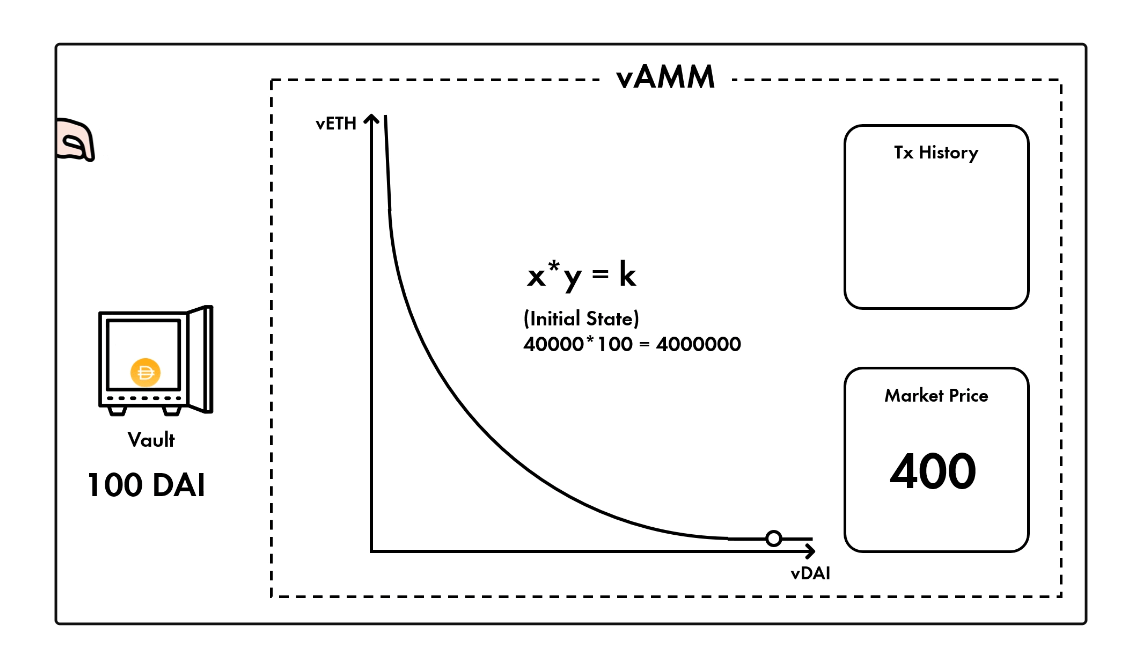
Perpetual contracts in the DeFi platform typically use an Automated Market Maker (AMM) system to provide liquidity and enable seamless trading. AMM is a smart contract that facilitates transactions by using an algorithm to determine an asset’s price based on the asset’s current supply and demand.
In the case of perpetual contracts, the AMM system allows traders to enter and exit positions without a counterparty. Traders can buy (buy) or sell (sell) contracts with the leverage provided by the protocol. AMM automatically adjusts the contract’s price based on the funding rate, current demand, and supply to maintain price stability.
The AMM system ensures that there is always enough liquidity for traders to execute their trades, allowing for round-the-clock trading, similar to traditional financial markets.
Since the price of the perpetual contract is close to the spot price, the PnL (profit and loss) of the perpetual contract trade is close to the leveraged spot trade. You can view the funding as a representation of the interest paid to the bank, while the funding rate is adjusted more often than the bank rate, and sometimes you even make more money than you pay it.
Conclusion
Perpetual Contracts are increasingly attractive in the Defi sector because they allow traders to speculate on the price movement of digital assets without time constraints. However, it is also high risk, especially when leverage is applied.
With high-frequency funding payments, the funding payments may be larger than a trade’s profit or expose the trade to more risk. Traders need to do their due diligence before getting their hands on perpetual swaps.
Essentially, perpetual contracts can be traded continuously forever. Traders don’t need to worry about upcoming expiration dates or buy-back structures when converting. In that sense, perpetual contract trading is more flexible and active than single futures in cryptocurrency.
DISCLAIMER: The Information on this website is provided as general market commentary and does not constitute investment advice. We encourage you to do your own research before investing.


